The Growth of Waste to Energy and What It Means for Skilled Workers
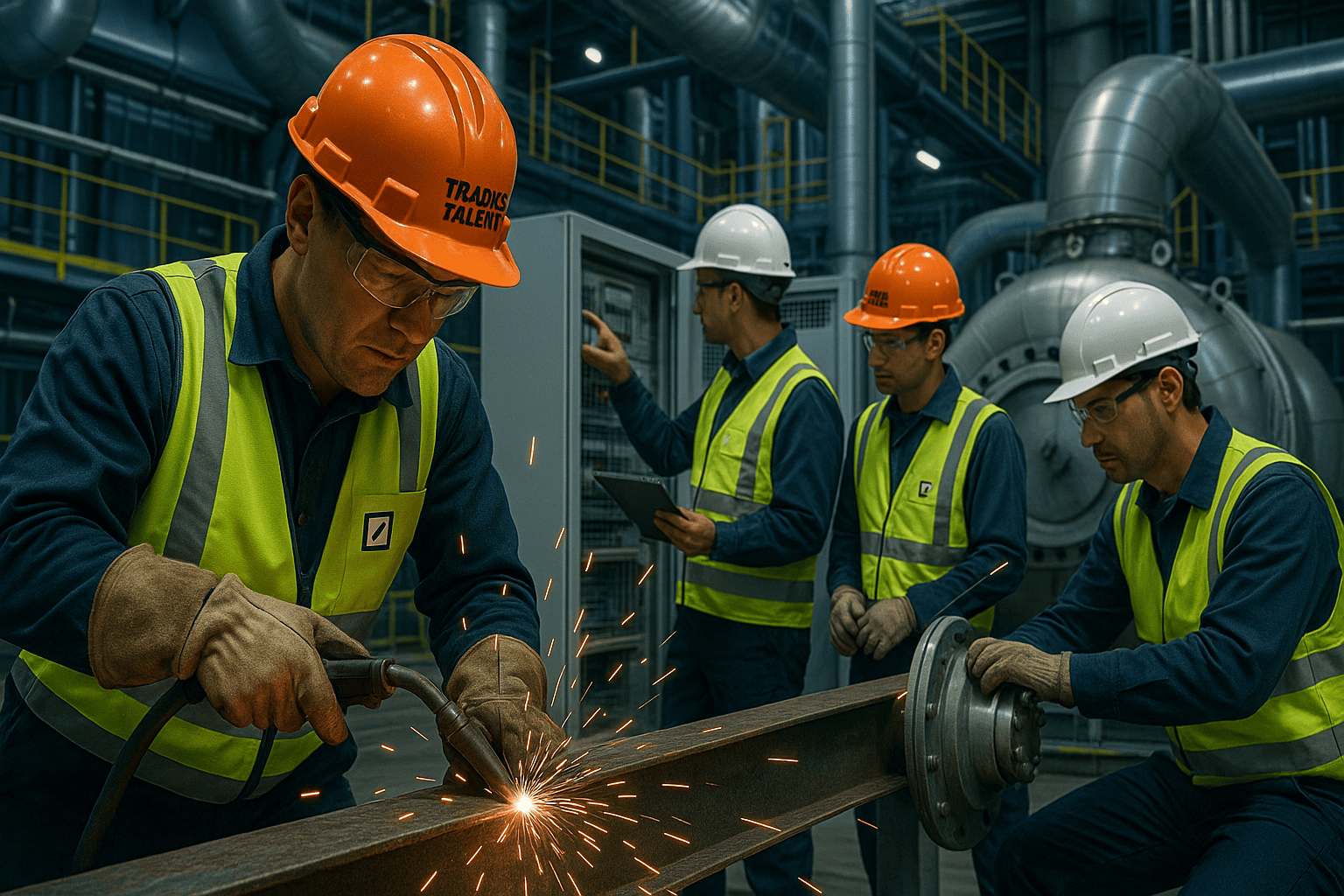
The UK’s Waste to Energy (WtE) sector is expanding rapidly, reshaping both the energy industry and the way we manage waste. With landfill reduction targets, stricter environmental regulations, and a national commitment to achieving net zero carbon emissions, Waste to Energy facilities are now central to the UK’s long-term sustainability strategy. For skilled tradespeople, this growth represents a wave of new opportunities across construction, maintenance, and ongoing plant operations.
Why Waste to Energy is growing
At its core, Waste to Energy refers to the conversion of non-recyclable waste into usable energy, most commonly electricity or heat. This can be achieved through a variety of technologies, including incineration, gasification, and anaerobic digestion. Instead of ending up in landfill, waste is turned into power that can be fed back into the grid, supporting both energy security and climate goals.
Government policies such as landfill tax and investment incentives have made the sector an attractive option for private investors. Over the past decade, this has led to a sharp increase in WtE facilities across the country, with new projects planned for regions such as Teesside and Essex. Each facility requires significant expertise in its design, build, and operation, and that’s where skilled workers come in.
The demand for skilled trades
The growth of Waste to Energy has triggered strong demand for qualified tradespeople. Welders are needed to fabricate and maintain the structural frameworks of plants. Electricians play a vital role in installing and servicing electrical systems, from power distribution to safety controls. Mechanical fitters ensure that conveyors, turbines, and other critical machinery operate smoothly and safely. These roles are not only required during the construction phase of a facility, but also throughout its lifetime. Maintenance, upgrades, and compliance checks create long-term employment opportunities, making Waste to Energy a stable and rewarding sector for trades professionals. For those interested in the industries Trades Talent supports, our sectors overview gives more detail on where these roles fit within the wider UK energy and infrastructure landscape.
Skills and compliance requirements
Working in a Waste to Energy environment comes with strict safety and compliance responsibilities. Tradespeople must be trained in handling high-temperature systems, confined space entry, and plant safety protocols. Compliance with environmental standards is equally important, as the industry is closely regulated to ensure emissions and waste outputs are kept within safe limits. This makes WtE an environment where well-trained, safety-conscious workers are highly valued. Employers want assurance that tradespeople are not only technically skilled, but also capable of working to the highest safety and compliance standards. For more detail on these expectations, see our guide to safety standards in the trades.
What it means for workers and employers
For trades professionals, the Waste to Energy boom represents job security, career progression, and the chance to work in a sector at the forefront of the UK’s sustainability efforts. For employers, the challenge lies in securing enough skilled workers to keep pace with demand. The competition for talent is strong, and recruitment has become a key focus for businesses involved in this growing industry. At Trades Talent, we specialise in matching welders, electricians, and mechanical fitters with projects where their skills make a direct impact. Whether you’re a tradesperson interested in opportunities within WtE, or an employer needing to build a workforce for an upcoming facility, our jobs search and client services pages provide more information.